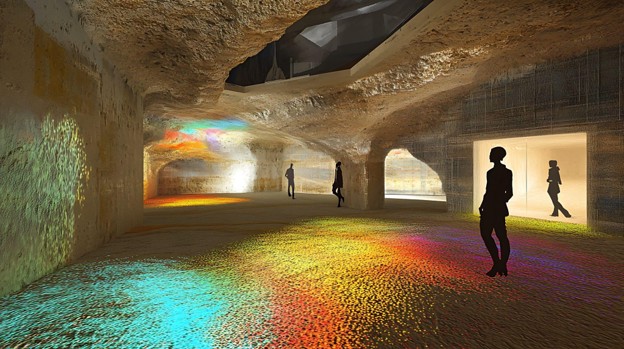
In a world where images, performances, and creative ideas are available on screens, visiting a museum, art exhibition, or live theater can be different. Michelle Suzanne Huff appreciates the opportunities that cultural experiences provide to explore creativity, discover new perspectives, and engage with art beyond the digital environment.
Online access has made art more convenient to discover, but convenience does not replace every benefit of experiencing creative work in person. The physical setting, the surrounding audience, the scale of an artwork, and the opportunity to spend time observing without constant digital interruptions can change how people interpret what they see.
Art is not simply something to look at. It can be an invitation to think, question, feel, and understand the world from another perspective.
What Can an In-Person Art Experience Offer That Digital Media Cannot?
Digital platforms make it possible to explore collections from museums around the world, watch recorded performances, and discover artists who might otherwise remain unfamiliar. These tools can broaden access to culture and help people decide which exhibitions or performances interest them.
However, experiencing art in person introduces additional dimensions. A painting may look different when viewed at its original scale. Details that appear insignificant on a phone can become more noticeable when someone stands in front of the work. The arrangement of pieces within a gallery can also influence how visitors interpret individual artworks and the relationships between them.
Live theater offers a similar distinction. Recorded performances allow audiences to revisit a production, but a live performance unfolds in a shared space, with timing, movement, sound, and audience responses contributing to the experience.
Neither format needs to replace the other. Digital access can introduce people to art, while in-person experiences offer opportunities for closer observation and engagement.
How Do Museums and Galleries Encourage Different Ways of Thinking?
One of the most valuable aspects of visiting a museum or gallery is the opportunity to encounter ideas that may be unfamiliar.
A contemporary art exhibition might challenge conventional expectations of beauty. A historical collection might reveal how social values, materials, or artistic techniques have changed over time. Photography, sculpture, painting, and mixed-media installations can each encourage viewers to consider familiar subjects from a different angle.
Not every artwork needs to be immediately understood or liked to be worthwhile.
Sometimes, the most interesting experience begins with a question. Why did the artist choose these colors? What might the composition communicate? How does the work change when viewed alongside other pieces? What assumptions does it challenge?
These questions encourage observation rather than passive consumption.
Museums also create opportunities to encounter perspectives shaped by different cultures, historical periods, and personal experiences. Approaching those perspectives with curiosity can help visitors become more comfortable with complexity and interpretation.
Why Does Cultural Exposure Matter Beyond Artistic Appreciation?
Art and culture can contribute to a richer understanding of the world because creative work often reflects the experiences, priorities, and questions of the people who produce it.
An exhibition may explore identity, place, memory, relationships, technology, or social change. A theater production may examine a difficult moral choice or reveal how the same event can be understood differently by different people.
Engaging with these subjects does not require agreement with every interpretation. It requires a willingness to consider what a work is communicating and why someone else might see it differently.
That distinction matters in everyday life, where people frequently encounter opinions and experiences that differ from their own.
Cultural experiences can provide a setting for practicing attentive observation, thoughtful interpretation, and respectful discussion. These habits are valuable far beyond a museum or theater.
What Makes Live Theater a Distinct Cultural Experience?
Theater brings together storytelling, performance, visual design, sound, movement, and timing in a shared environment. Each element contributes to how an audience experiences a story.
Set design can establish the atmosphere before a character speaks. Lighting can change the meaning of a scene. Costumes can communicate details about personality, period, or social context. The actors’ delivery and the audience’s responses can influence the rhythm of a live performance.
A production also asks viewers to participate through attention and interpretation. Rather than receiving information in the same way as a conventional article or short video, the audience follows a story as it develops over time.
Attending a production at a venue such as the Ahmanson Theatre in Los Angeles can be an opportunity to experience this combination of artistic disciplines. More broadly, local theaters and performing arts organizations can introduce audiences to different genres, new voices, and interpretations of familiar stories.
The value does not depend on seeing only celebrated productions. Smaller performances and unfamiliar works can also offer memorable experiences.
How Can People Make Art Part of Everyday Life?
Appreciating art does not require formal training, extensive knowledge of art history, or a large budget. It can begin with a willingness to explore.
A practical approach is to build cultural experiences into ordinary routines rather than waiting for a special occasion.
- Visit local galleries: Smaller exhibitions can introduce visitors to emerging artists and creative work within their own communities.
- Explore museum collections slowly: Instead of trying to see everything, choose a few pieces and spend time observing them.
- Attend live performances: Theater, music, dance, and other performances offer different ways to engage with storytelling and creative expression.
- Explore unfamiliar styles: Visiting an exhibition outside one’s usual interests can reveal unexpected connections.
- Return to meaningful places: Revisiting a museum or gallery can lead to a different experience as personal interests and perspectives evolve.
- Discuss what you experience: Sharing observations with friends can reveal interpretations that might not have occurred individually.
The objective is not to turn cultural engagement into another obligation. It is to create opportunities for discovery, enjoyment, and reflection.
Why Is It Important to Support Local Art and Cultural Spaces?
Museums and major performing arts venues attract attention, but local galleries, independent theaters, community exhibitions, and regional art events also contribute to cultural life.
These spaces provide opportunities for artists to present their work, for audiences to discover new ideas, and for communities to gather around shared interests. They can also make cultural experiences more accessible to people who may not regularly visit major institutions.
Attending an exhibition, purchasing artwork within one’s means, participating in a community event, or supporting a local cultural organization can help sustain these environments.
Support does not have to be financial. Showing up, learning about local artists, sharing information about an exhibition, and encouraging others to attend can also help creative communities reach wider audiences.
For visitors, local events offer another benefit: they reveal the creative character of the places where people live. Exploring art in neighboring cities can make familiar surroundings feel more varied and interesting.
How Can Art Encourage Curiosity Without Requiring Expertise?
People sometimes approach art with the assumption that they need to understand its historical context, recognize particular artists, or know the correct interpretation before they can appreciate it.
Background knowledge can certainly deepen an experience, but it is not a prerequisite for curiosity.
A visitor can begin by noticing what attracts attention, what feels unfamiliar, or what raises a question. Exhibition descriptions and guided tours can provide additional context, while independent observation allows people to form their own responses.
It is also useful to distinguish between interpreting a work and claiming certainty about its meaning. Art can support multiple readings, and an artist’s stated intention may be only one part of the conversation surrounding a piece.
Approaching creative work with openness makes cultural participation less intimidating. It shifts the focus from demonstrating knowledge to developing an interest in learning.
Why In-Person Cultural Experiences Still Deserve a Place in Modern Life
Digital tools have expanded access to art in remarkable ways. They allow people to discover artists, explore collections remotely, and learn about cultural traditions that may be geographically distant.
Yet physical and live experiences continue to offer something distinct: the opportunity to give creative work sustained attention in a shared environment.
Museums, galleries, and theaters can encourage curiosity, expose audiences to unfamiliar perspectives, and create experiences that stay with them after a visit ends. They also offer a reason to slow down, explore a place, and connect with others through a common cultural interest.
The most meaningful approach is not to choose between digital access and in-person participation. It is to recognize what each makes possible.
Art becomes more than a passing image when people make time to observe it, question it, and engage with it thoughtfully. Whether through a major museum exhibition, a neighborhood gallery, or a live theatrical performance, cultural experiences can add depth to everyday life by reminding us that there is always more than one way to see the world.