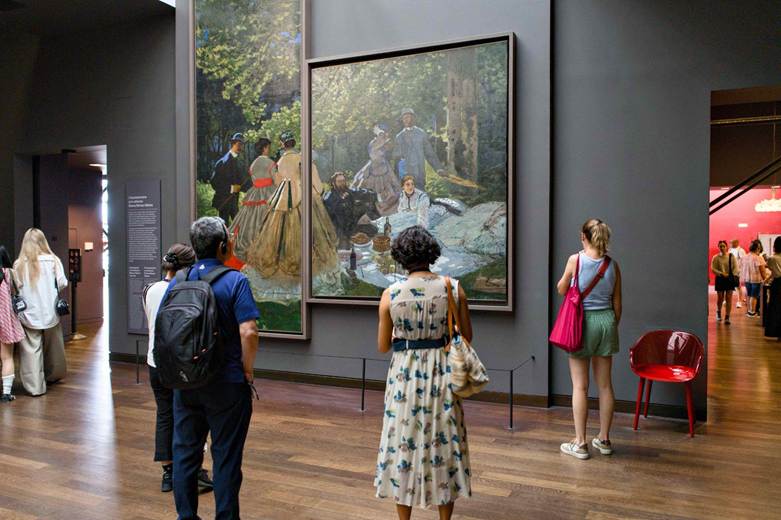
Major museums may house famous works, but memorable encounters with art can happen on a much smaller scale. Michelle Kangas Huff explains that local art shows offer opportunities to discover unfamiliar artists, explore different mediums, and experience artwork without arriving with a list of pieces everyone is expected to see.
A neighborhood gallery, community exhibition, or outdoor art show may contain far fewer works than a major museum. That smaller scale can actually become part of its appeal.
Familiar Names Are Not Required for Art to Be Interesting
Major exhibitions often attract visitors because of recognizable artists.
Knowing an artist’s reputation can create excitement, but it also shapes expectations before someone sees the work. Visitors may already know which painting is famous, which room is most popular, and which pieces they are supposed to photograph.
Local art shows can remove much of that preparation.
Someone may walk through the entrance without recognizing a single name.
That creates a different kind of viewing experience. Attention can begin with the artwork itself rather than its reputation.
A painting gets noticed because of its colors. A sculpture attracts attention because of its material. A photograph causes someone to stop because the subject feels familiar.
Discovery becomes more personal.
Smaller Exhibitions Can Make It Easier to Slow Down
A major museum can create an unexpected problem: there is too much to see.
Visitors may have only a few hours to explore several floors containing hundreds or thousands of objects. Even without intending to rush, the scale of the collection can create pressure to keep moving.
Smaller shows rarely produce the same problem.
With fewer pieces competing for attention, visitors can spend longer with individual works without wondering how much of the exhibition remains.
They can return to something they noticed earlier or walk through the same section twice.
Seeing fewer works does not necessarily mean receiving less from the experience.
Sometimes having less to cover makes careful looking easier.
Local Subjects Can Make Artwork Feel Immediately Familiar
Artists often respond to the environments around them.
At a local exhibition, visitors may encounter landscapes, architecture, plants, beaches, streets, people, or everyday scenes connected to the surrounding region.
Recognizing a location can change how someone responds to an artwork.
A familiar coastline painted from an unusual perspective may make the viewer notice something previously overlooked. A photograph of an ordinary street can reveal patterns in architecture or light that are easy to miss while driving past it.
The subject does not need to depict a famous landmark.
Sometimes the pleasure comes from seeing an ordinary local scene interpreted through another person’s perspective.
Different Mediums Can Sit Side by Side
Smaller art shows frequently bring together artists working in very different forms.
A visitor might move from watercolor to photography, ceramics, jewelry, sculpture, mixed media, or textile work within a relatively small space.
That variety creates natural comparisons.
Instead of spending an entire afternoon within one period or artistic movement, someone can see how different creators approach color, shape, texture, and subject matter using completely different materials.
This can also introduce visitors to forms of art they would not have intentionally searched for.
Someone arriving because of an interest in painting might leave remembering a ceramic piece or photograph.
Talking About Art Can Feel More Natural
Large museums often encourage quiet observation.
Local art events can be more conversational.
Visitors may attend with friends, encounter other people from the community, or sometimes have opportunities to speak with participating artists.
Even when the artist is not present, smaller environments can make casual discussion feel easier.
People might compare favorite pieces, disagree about what catches their attention, or return to something another person noticed.
There does not need to be a correct interpretation.
In fact, discovering that two people respond completely differently to the same artwork can be one of the most interesting parts of attending a show together.
Artwork Does Not Need an Immediate Explanation
People sometimes approach exhibitions believing they need to understand what every work means.
That expectation can make art unnecessarily intimidating.
A piece can be worth looking at even when its meaning is not immediately obvious.
Someone may simply enjoy its colors, composition, materials, or mood. Another work may become interesting because it feels strange or raises a question.
Local exhibitions can be particularly good environments for this kind of informal viewing.
Without the pressure surrounding a famous masterpiece, visitors may feel freer to decide what they personally like.
Curiosity is enough.
Smaller Shows Make Unexpected Favorites More Likely
When visiting a major museum, people often arrive knowing which works they want to see.
At a local show, the favorite piece may be completely unpredictable.
It could be tucked into a corner rather than displayed prominently. It may be created by an artist the visitor has never encountered. It might even use a medium the person normally pays little attention to.
That unpredictability creates genuine discovery.
There is no famous image waiting to confirm expectations.
The visitor has to respond to what is actually in front of them.
As a result, the piece remembered afterward may be one that was completely unknown an hour earlier.
Art Shows Can Reveal What Someone Actually Likes
Personal taste develops through exposure.
Someone may initially describe a broad preference for contemporary art, landscapes, photography, or abstract painting. Visiting different exhibitions can gradually make those preferences more specific.
Perhaps certain colors repeatedly attract attention. Maybe smaller works are more appealing than enormous ones. A visitor might discover an unexpected interest in ceramics, textured surfaces, coastal photography, or mixed-media pieces.
Local shows provide frequent opportunities to notice these patterns.
Because the work is often unfamiliar, choices are less influenced by reputation.
What makes someone stop becomes useful information about personal taste.
The Setting Can Become Part of the Memory
Art shows do not always happen in traditional gallery spaces.
They may take place outdoors, in community centers, temporary exhibition spaces, cultural festivals, or smaller galleries integrated into shopping and dining districts.
The setting changes the experience.
An outdoor show may combine art with walking through a neighborhood. A smaller gallery can become one stop during an afternoon that also includes lunch or another activity.
This flexibility makes viewing art easier to incorporate into ordinary leisure time.
It does not always need to be the central event of an entire day.
Local Exhibitions Reward Repeat Visits
One advantage of exploring art locally is that the experience can happen regularly.
Major museum exhibitions may require planning, tickets, travel, and several hours. Smaller shows can sometimes be visited more spontaneously.
Returning to different exhibitions also means encountering changing groups of artists and styles.
One event may emphasize painting. Another might contain more photography, sculpture, handmade objects, or experimental work.
The location may remain familiar while the artwork continually changes.
That combination of familiarity and novelty can make local art exploration an ongoing interest rather than an occasional special event.
Major Museums and Local Shows Offer Different Experiences
Appreciating small exhibitions does not require choosing them over major museums.
The two provide different advantages.
Large institutions can offer extensive collections, historically significant works, major traveling exhibitions, and opportunities to see art that may be impossible to encounter elsewhere.
Local shows provide intimacy, accessibility, unpredictability, and opportunities to discover work without established expectations.
Both can belong in the same person’s experience of art.
The important point is that the size or reputation of an exhibition does not determine whether something inside will be memorable.
Final Thoughts
A memorable encounter with art does not require a famous artist, enormous museum, or internationally recognized exhibition.
Sometimes a smaller show creates the stronger memory precisely because the visitor arrives without knowing what to expect.
There is room to wander slowly, respond to unfamiliar work, notice local subjects, compare different mediums, and develop personal preferences without trying to complete a checklist.
Major museums offer experiences that smaller exhibitions cannot reproduce, but the reverse is also true.
A local art show can transform an ordinary afternoon into an opportunity for discovery.
And occasionally, the artwork someone remembers most is not the masterpiece they planned to see months in advance. It is the unexpected piece by an unfamiliar artist that simply made them stop.