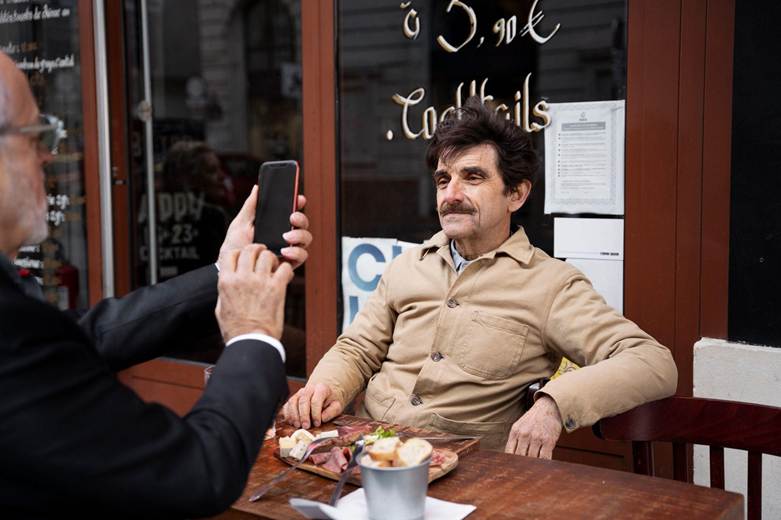
A beautiful view can make a restaurant table seem ideal, but location affects much more than scenery. Michelle Suzanne Huff explains that noise, lighting, foot traffic, temperature, and privacy can influence a meal just as much as what can be seen from the table.
The most photographed seat in a restaurant may look impressive, yet another table could provide a more comfortable setting for conversation and an unhurried dinner. Choosing where to sit is often about deciding what matters most for that particular meal.
A Great View Can Come With Trade-Offs
Window tables and patio seats naturally attract attention.
They may overlook water, a city street, a garden, or another interesting setting. For a special occasion, that backdrop can become part of the experience.
However, desirable locations sometimes come with compromises.
A large window may receive direct sunlight at certain times of day. A patio can become uncomfortable when temperatures change. Tables positioned for a dramatic view may also be close together because restaurants want more guests to enjoy the same scenery.
The view remains attractive, but it is only one factor.
Someone planning to spend two hours talking over dinner may ultimately appreciate comfort and quiet more than scenery.
Noise Can Completely Change a Meal
Restaurant atmosphere depends partly on sound.
Music, conversations, dishes, kitchen activity, and movement all contribute to the energy of a dining room. A lively environment can be enjoyable, particularly for casual meals or group gatherings.
The experience changes when people have difficulty hearing one another.
Certain tables may be noticeably louder because they are near speakers, bars, open kitchens, or large groups. Hard surfaces can also cause sound to travel throughout a room.
A quieter table may not have the restaurant’s most impressive visual position, but it can make conversation considerably easier.
For meals centered on catching up with friends or family, that difference may matter more than having a perfect view.
Foot Traffic Is Easy to Overlook
Some tables sit directly along the routes servers and guests use throughout the evening.
A seat near the kitchen entrance may experience constant movement. Tables beside restrooms, service stations, or main walkways can have similar issues.
None of this necessarily makes a table bad.
In a busy restaurant, however, repeated movement can become distracting. Chairs may need to remain tucked in, servers may regularly pass behind diners, and people waiting for tables might gather nearby.
A table positioned slightly farther from the action can feel considerably more relaxed.
This is one reason a visually ordinary corner can sometimes become one of the most comfortable places in the room.
Lighting Matters More Than People Expect
Lighting influences both atmosphere and practicality.
Very bright lighting can make a restaurant feel less intimate, while an extremely dark table may make reading the menu surprisingly difficult.
Natural light introduces another consideration.
A window table that is pleasant earlier in the day may receive strong direct sunlight closer to sunset. Diners can find themselves adjusting blinds, moving chairs, or trying to avoid glare.
Good restaurant lighting tends to support the experience without demanding attention.
The ideal table may therefore be one where the lighting feels comfortable rather than one positioned beside the largest window.
Patio Seating Depends on More Than the Weather Forecast
Outdoor dining can be one of the most enjoyable options when conditions cooperate.
A patio can offer fresh air, an open atmosphere, and a stronger connection to the surrounding neighborhood or landscape.
Yet outdoor comfort depends on more than temperature.
Wind can affect everything from napkins to food temperature. Direct sunlight can become uncomfortable even on a relatively mild day. Shade may shift during a long meal, while nearby traffic or pedestrian activity can change the atmosphere.
Even a beautiful patio table may not remain equally comfortable throughout dinner.
Indoor seating can sometimes be the better choice when the priority is a longer, more predictable dining experience.
Privacy Can Matter More Than Scenery
The amount of space surrounding a table affects how comfortable conversation feels.
Closely arranged tables are common, particularly in popular restaurants where space is valuable. While that layout can create energy, it can also make neighboring conversations difficult to ignore.
For some occasions, this does not matter.
For others, a little separation is valuable.
A table against a wall, inside a booth, or toward a quieter part of the dining room may create a greater sense of privacy even without an interesting view.
That can be especially useful when the purpose of the meal is conversation rather than simply trying a restaurant’s food.
The Occasion Should Influence the Table
There is no single restaurant table that works best for every meal.
The ideal choice depends partly on why people are dining out.
Different occasions may favor different seating:
- A quiet booth for catching up with a close friend
- A larger table for a group celebration
- Patio seating for a casual afternoon meal
- A window table for enjoying scenery
- A quieter corner for a long conversation
- Bar seating for a quick, informal dinner
Thinking about the occasion makes seating preferences easier to understand.
A table that is perfect on one visit may be completely wrong on another.
Becoming a Regular Can Change Seating Preferences
Repeated visits to a restaurant provide information that first-time diners rarely have.
Someone may learn that one section is quieter, another receives too much afternoon sun, or certain tables offer more room. A patio that is excellent during one season may be less appealing during another.
Over time, people often develop preferences that have little to do with the table that appears most impressive in photographs.
They begin to understand how the restaurant actually functions.
This familiarity can make a preferred table part of the experience, much like having a favorite dish.
A Booth Can Offer Advantages a View Cannot
Booths rarely receive the same attention as scenic window tables, yet they offer several practical benefits.
They can create separation from surrounding activity, reduce the number of people walking directly behind diners, and make conversation feel more contained.
Depending on the restaurant, a booth may also provide more comfortable seating for a longer meal.
Of course, not every booth is ideal. Some can feel cramped or be positioned in busy areas.
Still, choosing a booth over a scenic table demonstrates an important point: the best seat depends on how people want to experience the restaurant, not simply what they want to look at.
Asking for a Different Table Is Sometimes Worthwhile
Diners do not always need to accept the first table offered if another reasonable option is available.
A polite request for a quieter section, booth, indoor table, or seat away from heavy traffic can sometimes significantly improve the meal.
Restaurants may not always be able to accommodate requests, particularly during busy periods.
But expressing a preference can be useful.
Knowing what makes a meal comfortable is more practical than automatically assuming the most visually impressive location is the best one.
The Food Is Experienced Within the Environment
A restaurant meal is never only about what arrives on the plate.
Temperature, seating, lighting, sound, service, conversation, and surroundings all shape how the evening feels.
Excellent food served in an uncomfortable setting can be harder to enjoy. Meanwhile, a comfortable table can encourage diners to slow down, talk longer, and appreciate each course without distraction.
This helps explain why people sometimes remember where they sat almost as clearly as what they ordered.
Final Thoughts
A table with an impressive view can certainly make dining out memorable, but scenery does not automatically create the best experience.
Noise may matter more during conversation. Shade may matter more on a warm afternoon. Privacy may matter more during a long dinner, while easy access and additional space may be important for a larger group.
The best restaurant table is therefore not necessarily the one everyone wants to photograph.
It is the one that fits the meal.
Sometimes that will be beside a window overlooking the water. On another evening, it may be a quiet booth away from the busiest part of the dining room.
Choosing comfort over appearance does not mean sacrificing the experience. In many cases, it is what allows diners to enjoy the restaurant more fully.